Every day, your household appliances engage with you through minor clicks, hums, and performance changes. A dishwasher that leaves behind a soapy residue or a refrigerator that unexpectedly runs nonstop are not mere oddities; rather, they are early warning signs. Ignoring these warnings can turn a straightforward, low-cost repair into a severe appliance failure, which could lead to expensive emergency repairs, substantial water damage, or even major safety risks like gas leaks or electrical problems. The best method to undertake preventive home maintenance and save unforeseen expenses is to understand the most common appliance repair issues and the warning flags you shouldn’t ignore.
This guide is designed to serve as your first line of defense. The top 10 appliance problems that our professionals identify and fix will be broken down. We’ll go over the particular signs to look out for every typical issue, such as a dryer that won’t heat or a refrigerator that won’t cool.
You will discover the meaning of these indicators, safe actions to take right away, and—above all—when to quit troubleshooting and seek expert assistance. Whether you possess a high-end, commercial-style appliance or a basic one, being aware of these early warning signs helps safeguard your family’s safety, protect your investment, and maintain uninterrupted home operations. The secret to keeping a minor issue from turning into a large emergency is to pay attention to what your appliances are telling you.
1. Refrigerator Not Cooling or Running Continuously
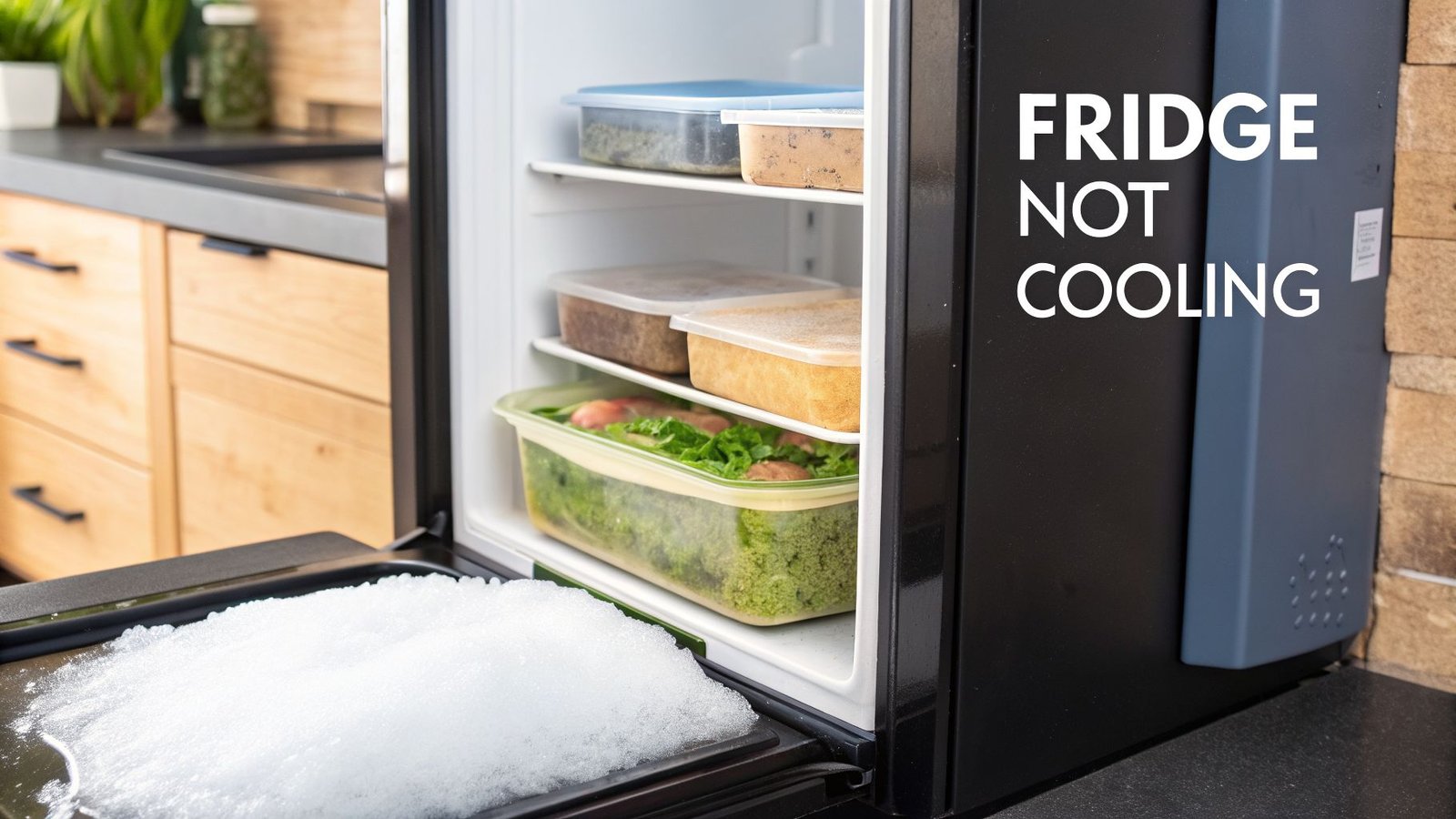
Food safety is immediately jeopardized by a refrigerator that isn’t cooling correctly or runs continuously without turning off. This is more than just a minor annoyance. Because it can result in damaged food and substantial energy waste, this problem is ranked highly among the most common appliance repair issues. A cooling system defect, such as a broken compressor, filthy condenser coils, a malfunctioning evaporator fan, or a malfunctioning thermostat, is frequently the cause of the issue.
Warning Signs and Immediate Steps
It’s critical to identify the early indicators. Your refrigerator is malfunctioning if you see soft ice cream, milk going bad before its expiration date, or a lot of condensation or frost buildup inside the fresh food section. The sound is another important clue; a compressor that constantly hums or produces strange grinding sounds is a dead giveaway.
What to do now:
- Check the Temperature: Make sure the freezer’s internal temperature is -18°C (0°F) and the refrigerator’s is at or below 4°C (40°F).
- Inspect Door Seals: Make sure the gaskets are tightly sealed and clean. Closing the door on a piece of paper is a straightforward test; if it slides out quickly, the seal is poor.
- Confirm Power: Make sure the unit is plugged in and the circuit breaker hasn’t tripped.
- Listen Closely: Note any new or strange noises. A constantly running motor signals a problem maintaining temperature.
Urgency Level: Critical. Food can become unsafe to eat within hours. This is a priority repair that cannot wait. If your food is at risk, you need same-day service.
Common Causes & When to Call a Professional
The majority of cooling failures require sophisticated components, yet occasionally a blocked internal vent can be the cause. If basic inspections don’t fix the problem, you should contact a professional right away because working on electrical or sealed refrigeration systems is dangerous. A skilled specialist can determine if the issue is a malfunctioning thermostat, a malfunctioning evaporator fan, or a more serious compressor problem. For a deeper dive into safe troubleshooting, you can learn more about how to address a refrigerator that isn’t cooling.
2. Washing Machine Not Draining or Leaking Water
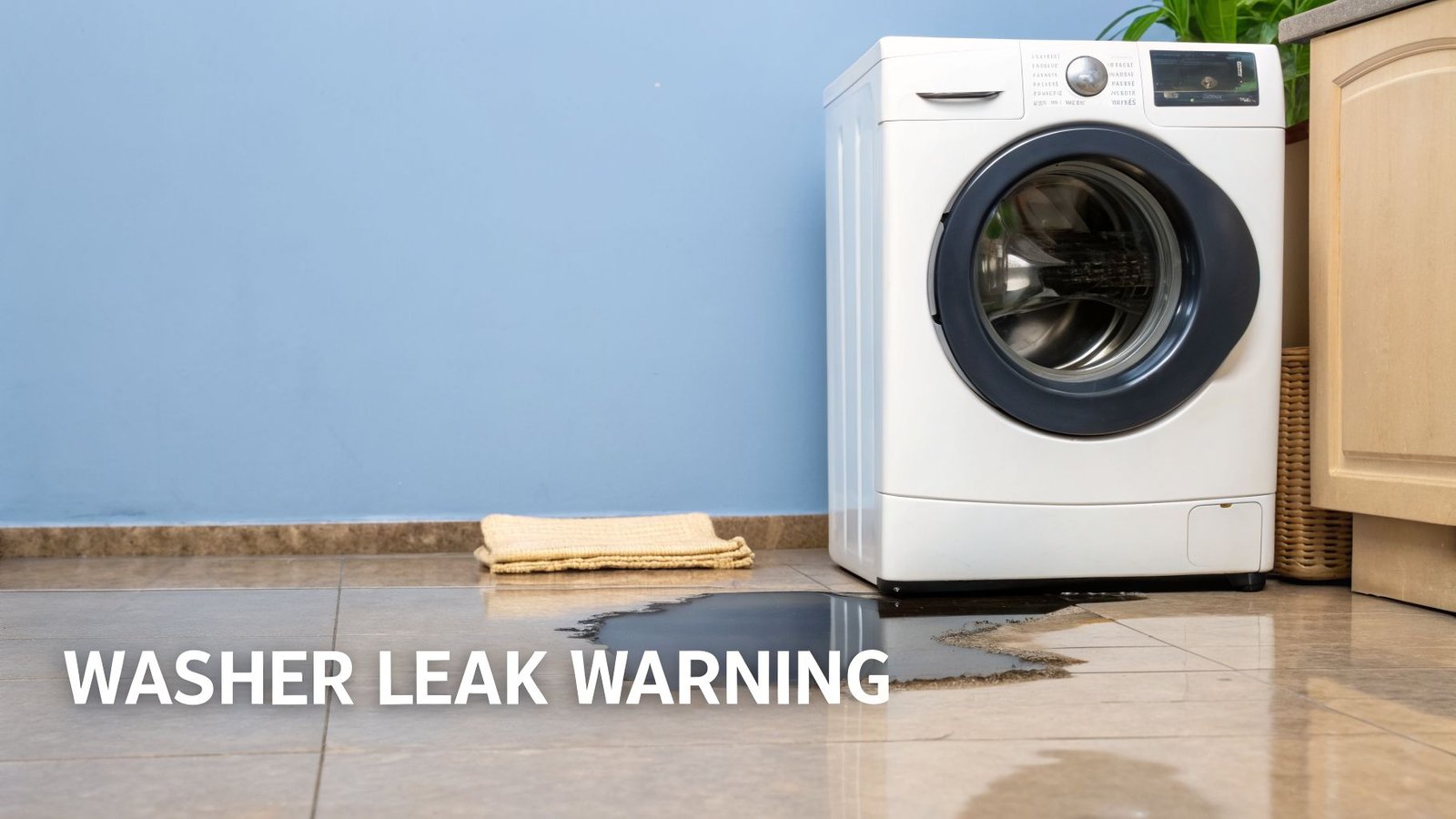
A high-stress appliance failure is when a washing machine stops draining or begins to leak water. Both front-load and top-load models are affected by this prevalent problem, which could make laundry day disastrous. Simple obstructions in drain hoses and filters or more significant technical issues like a malfunctioning drain pump or a broken door seal can be the cause of the issue. Puddles accumulating on the floor or water collecting inside the drum after a cycle are clear indicators that need to be addressed right away.
Warning Signs and Immediate Steps
Preventing significant water damage requires early notice. Your machine has a drainage issue if your clothes come out drenched, the cycle appears to be stuck, or you hear gurgling noises without the water draining. Any amount of water on the floor surrounding the unit is, of course, the most obvious indication. Never disregard a small puddle since it frequently indicates a bigger, more serious problem.
What to do now:
- Stop the Cycle & Unplug: Immediately cancel the wash cycle and unplug the machine from the wall to prevent electrical hazards.
- Check the Drain Hose: Ensure the hose at the back of the washer isn’t kinked, crushed, or clogged at the connection to the standpipe or sink drain.
- Inspect the Filter: Many front-load washers have a small door at the bottom front that houses a “trap” or filter. Carefully place a shallow pan and towels underneath, then open it to clean out any debris like coins, lint, or small socks.
- Note the Leak’s Location: If there’s a leak, try to identify where it’s coming from. Is it from the front door, the back hoses, or underneath the unit? This information is invaluable for a technician.
Urgency Level: High. Active leaks can cause severe and costly damage to floors, subfloors, and ceilings below. For landlords managing multi-unit properties, this is a critical emergency that can affect multiple tenants.
Common Causes & When to Call a Professional
While a clogged drain hose or pump filter is an issue a homeowner might resolve, most drainage and leak problems require professional diagnosis. A failed drain pump, a split internal hose, or a damaged door seal are common culprits. Attempting to replace these parts yourself is risky and can lead to bigger leaks. You can learn more about why a washing machine is not draining or spinning to understand the complexities involved.
For homeowners and property managers in Calgary, Edmonton, and Red Deer facing a washer leak, Advance Appliance Ltd. provides same-day service to prevent water damage. Our technicians are experts in all major brands, including LG, Samsung, Whirlpool, GE, Maytag, Bosch, and Miele, ensuring a fast and effective repair.
3. Dishwasher Not Cleaning Dishes or Draining Properly
Not only is it annoying, but a dishwasher that leaves food residue on your dishes or has lingering water at the bottom after a cycle indicates a serious issue. Because it jeopardizes cleaning efficacy and hygiene and may spread bacteria rather than eradicate them, this is a frequent issue with appliance repair. Clogged spray arms, a blocked filter screen, a malfunctioning circulation pump, or a malfunctioning water entry valve are some of the possible causes of the problem.
Warning Signs and Immediate Steps
The initial signs of a malfunctioning dishwasher are frequently subtle. You may see a pool of filthy water at the bottom of the tub, hazy glassware, or food particles still adhered to dishes after a complete cycle. Sometimes you may even see water backing up into your kitchen sink or hear gurgling noises. These signs indicate that the appliance isn’t producing the water pressure or temperature required for a thorough clean.
What to do now:
- Check the Filter: Before calling for service, locate and inspect the filter basket at the bottom of the dishwasher tub. Remove any food debris or blockages.
- Inspect Spray Arms: Ensure the spray arms can rotate freely and are not blocked by large utensils. Use a toothpick to carefully clear any clogged nozzles.
- Run a Cleaning Cycle: Run an empty cycle on the hottest setting with a cup of white vinegar placed on the top rack to help dissolve mineral buildup.
- Confirm Proper Loading: Ensure dishes are not nested together or blocking the spray arms, which prevents water from reaching all surfaces.
Urgency Level: High. A dishwasher that doesn’t clean or drain properly is a sanitation risk. If basic cleaning doesn’t solve the issue, professional service is needed promptly to prevent buildup and potential water damage.
Common Causes & When to Call a Professional
A blocked filter can be easily fixed, but most performance problems require more complicated parts. A malfunctioning circulation pump will not be able to spray water with sufficient force, and a malfunctioning water inlet valve may prevent the dishwasher from filling properly. A professional is needed to properly diagnose and repair these parts. It’s essential to hire an expert if, despite cleaning the filter and spray arms, you still have standing water or unclean dishes. You can learn more about how to address a dishwasher that isn’t cleaning for a deeper look at troubleshooting steps.
4. Dryer Not Heating or Taking Excessive Time to Dry
A frequent yet dangerous appliance issue is a dryer that stops producing heat or requires several cycles to dry garments. This problem indicates a heating system malfunction or a ventilation obstruction, which not only costs time and energy but also presents a serious fire risk because of lint buildup. A malfunctioning thermostat, a tripped thermal fuse, a blocked vent, or a defective heating element are typically the causes of the issue.
Warning Signs and Immediate Steps
Important warning indicators are simple to identify. It’s time to look into it if your clothing are still wet after a full cycle, the dryer is taking a lot longer than it used to, or you smell anything burning. A dryer that shuts off in the middle of a cycle is another obvious sign that an overheating safety function is activated by limited airflow.
What to do now:
- Clean the Lint Trap: This is the most crucial step. A clogged lint screen restricts airflow, reduces efficiency, and is a fire risk. Clean it after every single load.
- Inspect the Vent Hose: Check the flexible ducting behind the dryer. Ensure it is not crushed, kinked, or disconnected.
- Check the External Vent: Go outside and find where your dryer vents. Make sure the flap on the vent hood opens freely and is not blocked by lint, snow, or debris.
- Listen for Clues: For gas dryers, a series of clicking sounds without the whoosh of ignition can indicate a failing igniter.
Urgency Level: High. A non-heating dryer is an inconvenience, but a poorly venting dryer is a fire hazard. Do not operate a dryer you suspect has a blockage. This requires prompt professional attention.
Common Causes & When to Call a Professional
The majority of heating-related issues call for a service, but cleaning the lint trap and vent hose are easy do-it-yourself projects. A failing igniter in a gas type or a burned-out heating element in an electric dryer are typical culprits. These problems include electrical or gas systems, as do malfunctioning thermostats or thermal fuses. It’s very risky to operate with 240-volt electrical systems or gas lines, so if simple cleaning doesn’t work, you should get an expert.. For more details, you can learn more about how to fix a dryer that isn’t heating.
5. Refrigerator Ice Maker Not Producing Ice or Dispensing Water
One of the most common appliance repair issues, particularly with contemporary refrigerators with in-door features, is a broken ice maker or water dispenser. Even while it could seem like a small annoyance, there may be more serious problems with your equipment. A frozen water supply line, a malfunctioning water input valve, a blocked filter, or a malfunctioning ice maker motor assembly are some of the possible causes of the issue.
Warning Signs and Immediate Steps
The warning signs are typically straightforward. You may notice a complete stop in ice production, unusually slow ice dispensing, or cloudy, small, or discoloured ice cubes. For the water dispenser, the most obvious sign is a weak stream or no water at all. These issues often point to a disruption in the water supply system.
What to do now:
- Inspect the Water Filter: A clogged filter is a primary culprit. If it has been more than six months, or if water flow has gradually decreased, it’s time for a replacement.
- Check the Water Line: Ensure the water line behind the fridge is not kinked or frozen. If your fridge is in an unheated garage, temperatures below freezing can freeze the line.
- Confirm Water Pressure: Low household water pressure (typically below 20 PSI) can prevent the ice maker’s inlet valve from opening correctly.
- Examine the Dispenser Area: Look for ice blockages in the dispenser chute and ensure the control arm (or feeler arm) in the ice bin is in the down or “on” position.
Urgency Level: Moderate. While not a food safety emergency, a broken ice maker or water dispenser is a significant loss of function. Addressing it promptly prevents potential water leaks from a cracked line or valve.
Common Causes & When to Call a Professional
Sometimes the issue can be resolved with straightforward solutions like unkinking a line or changing a filter. However, the majority of ice maker malfunctions include parts that need to be diagnosed by professionals. Common problems include a broken control board, a malfunctioning ice maker component, or a broken water intake valve. To stop water leaks and guarantee correct operation, it is best to have a qualified technician diagnose and replace these electrical parts. For a detailed guide on identifying these issues, you can learn more about troubleshooting common ice maker problems.
6. Oven or Cooktop Not Heating or Heating Unevenly
An oven or cooktop that fails to reach the set temperature or heats unevenly disrupts cooking and impacts food quality. This common appliance repair problem can stem from several sources. For electric ovens, a burned-out heating element, faulty thermostat, or control board malfunction is often the cause. Gas models frequently suffer from igniter failures, defective gas valves, or clogged burners. A malfunctioning cooking appliance is especially frustrating in properties with premium brands where high-performance cooking is expected.
Warning Signs and Immediate Steps
The signs of a heating issue are usually obvious: your food is taking much longer to cook, recipes are coming out undercooked on one side, or a cooktop burner simply won’t turn on. You might also notice an electric oven element that doesn’t glow red or a gas burner that clicks but never ignites. Inconsistent heating is a clear indicator that a critical component is failing.
What to do now:
- Verify Temperature: Place a reliable oven thermometer inside your oven, set it to 175°C (350°F), and wait 20 minutes to see if the internal temperature matches the setting.
- Clean the Cooktop: Remove any spills or debris from electric elements and ensure gas burner ports are clear. Food buildup can block heat transfer and ignition.
- Check Power and Gas: Confirm the appliance is plugged in and the circuit breaker is on. For gas ranges, ensure the gas supply valve is open.
- Document the Problem: Note which burners are failing, where the oven has hot or cold spots, and how often the issue occurs. This information is valuable for a technician.
Urgency Level: High. A non-functional oven or cooktop severely limits your ability to prepare meals. This repair should be scheduled promptly.
Common Causes & When to Call a Professional
Simple cleaning can sometimes restore function, but most heating issues require professional diagnosis. Burned-out bake or broil elements are common in electric ranges, while gas ranges often need igniter replacements. Faulty thermostats or control boards can also cause temperature inaccuracies. Attempting to repair gas lines or complex control boards is dangerous and can cause further damage. A professional should evaluate the issue to determine if it is a simple part replacement or a more complex control board service.
For homeowners in Calgary, Edmonton, and Red Deer, Advance Appliance Ltd. has certified technicians for premium brands including Wolf, Viking, BlueStar, Dacor, and Miele. We understand the specific needs of high-end cooking appliances and can accurately diagnose the problem.
7. Microwave Not Heating Food or Displaying Error Codes
When a microwave powers on, lights up, and spins the turntable but fails to heat your food, it points to a significant internal failure. This issue is one of the top appliance repair problems because it renders a key kitchen convenience useless. The core heating function relies on high-voltage components like the magnetron, capacitor, or transformer. A failure in any of these, or a problem with the main control board, will stop the microwave from working, even if it appears to be running normally.
Warning Signs and Immediate Steps
The most obvious warning sign is food that remains cold after a full cooking cycle. You might also hear unusual buzzing or humming sounds during operation, which can indicate a failing magnetron or high-voltage transformer. Modern microwaves often display specific error codes that point directly to the malfunctioning part, such as a door latch sensor or a control board issue.
What to do now:
- Perform a Water Test: Place a cup of water in the microwave and run it on high for one to two minutes. If the water is not hot, the heating system has failed.
- Check the Door: Open and close the door firmly. A loose or faulty door latch is a common safety feature that prevents the microwave from starting the heating process.
- Document Error Codes: If an error code is displayed, write it down exactly as it appears. This information is critical for a technician to diagnose the problem quickly.
- Avoid Running it Empty: Never run a microwave with nothing inside. This can cause severe damage to the magnetron.
Urgency Level: High. While not a food safety emergency like a broken fridge, a non-heating microwave involves dangerous high-voltage components. Professional diagnosis is required before it can be used again.
Common Causes & When to Call a Professional
A lack of heat most often points to a failed magnetron, capacitor, or diode. Do not attempt to open or repair a microwave yourself. The internal capacitor can store a lethal electrical charge even when the unit is unplugged.
You must call a professional technician for any heating-related issue or error code display. They have the training and tools to safely diagnose and replace high-voltage components. Over-the-range and built-in models can also present unique challenges that are best handled by an expert. For homeowners in Calgary, Edmonton, and Red Deer, Advance Appliance Ltd. offers same-day diagnostics and has the expertise to safely service all microwave types, including over-the-range and high-end built-in units.
8. Freezer Not Maintaining Proper Temperature or Frost Buildup Issues
A freezer that fails to stay cold or develops excessive frost is a serious problem that compromises food safety and can lead to significant food waste. Whether it’s a standalone chest freezer, an upright unit, or a refrigerator-freezer combination, temperature instability directly affects the shelf life and quality of your stored goods. This issue is a frequent cause for repair calls, stemming from problems like a malfunctioning defrost system, a weak compressor, a faulty thermostat, or something as simple as a failing door seal.
Warning Signs and Immediate Steps
The earliest signs of a failing freezer are often subtle. You might notice that ice cream is softer than usual, or see ice crystals forming on frozen food packages. A thick coating of frost on the interior walls is a clear indicator of a problem, as is finding any food that has partially thawed and refrozen. These are all signals that the unit is struggling to maintain a consistent, safe temperature.
What to do now:
- Check the Temperature: Use a separate, reliable thermometer to verify the internal temperature is at or below -18°C (0°F). Don’t rely solely on the appliance’s built-in display.
- Inspect Door Seals: Look for gaps, cracks, or dirt on the door gasket. Close the door on a piece of paper; if you can pull it out with no resistance, the seal is weak and letting warm air in.
- Ensure Proper Airflow: Check that interior vents are not blocked by food packages. Overfilling a freezer can restrict cold air circulation, leading to frost buildup and temperature fluctuations.
- For Frost-Free Models: If you see heavy, unexpected frost, it often points to a failed defrost heater or thermostat, which prevents the unit from automatically clearing ice from the evaporator coils.
Urgency Level: High. Food safety is at immediate risk. If your food is beginning to thaw, it can spoil quickly, making this a high-priority repair that often requires same-day service to prevent total loss.
Common Causes & When to Call a Professional
While ensuring the door is closed and vents are clear are good first steps, most temperature-related freezer failures involve components that require professional diagnosis. A common cause of frost buildup is a failed defrost system, which includes the defrost heater, thermostat, or timer. Temperature fluctuations can also be caused by a faulty thermostat or a failing compressor. You should call a professional if basic checks don’t work, as repairs involving sealed systems, compressors, or electrical defrost components are complex and potentially hazardous.
Homeowners in Calgary, Edmonton, and Red Deer can rely on Advance Appliance Ltd. for expert freezer repair. Our technicians offer same-day service for these critical food safety issues and have specialized experience with all major brands, from standard uprights to premium Sub-Zero and commercial-style units.
9. Rangehood or Ventilation System Not Removing Smoke or Cooking Odours
A rangehood that fails to clear smoke, steam, and cooking odours from your kitchen is not just an annoyance; it’s a failure in your home’s ventilation that directly impacts indoor air quality. This is one of the top appliance repair problems because it can lead to lingering smells, grease buildup on cabinets, and a less comfortable cooking environment. The issue often points to saturated filters, a failed fan motor, a blocked duct, or a malfunctioning damper.
Warning Signs and Immediate Steps
Recognizing the early signs of a failing ventilation system is key to maintaining a healthy kitchen. If you find smoke constantly lingering long after cooking, strong food odours spreading throughout your home, or a sticky film of grease developing on surfaces, your rangehood is not performing its job. An unusually loud motor, a rattling sound, or no sound at all when you turn it on are also clear indicators of a problem.
What to do now:
- Check the Filters: Visually inspect the filters. Metal baffle or mesh filters may be clogged with grease, and charcoal filters in ductless models may be saturated and need replacement.
- Listen to the Fan: Turn the fan on and cycle through the speeds. Listen for the motor running. If it makes no sound, it could be an electrical issue. If it hums or grinds, the motor itself may be failing.
- Test the Suction: Hold a piece of paper towel up to the vent with the fan on high. If it doesn’t hold the paper firmly, the airflow is weak.
- Inspect the Damper: If accessible, check the external vent flap (damper) to ensure it opens and closes freely and isn’t stuck shut due to ice, debris, or damage.
Urgency Level: Medium. While not an immediate food safety risk, poor ventilation degrades air quality and allows grease to accumulate, which can become a fire hazard over time. It should be addressed promptly.
Common Causes & When to Call a Professional
While replacing filters is a straightforward homeowner task, many rangehood failures require expert diagnosis. Common issues include a failed fan motor, a broken switch or control board, or a blockage in the ductwork. Professional cleaning may be required for ducts with heavy grease accumulation. You should call a professional if cleaning filters doesn’t restore function, if you suspect a duct blockage, or if the motor or controls are unresponsive.
For homeowners in Calgary, Edmonton, and Red Deer, Advance Appliance Ltd. provides expert diagnostics for all types of ventilation systems. Our technicians have specific expertise with high-end and integrated models and can provide recommendations for duct cleaning and configuration to optimize your kitchen’s air quality.
10. Garbage Disposal Not Working, Jamming, or Producing Foul Odours
A garbage disposal that jams, hums without grinding, or emits foul odours is a disruptive kitchen problem. This common appliance issue goes beyond simple inconvenience, impacting kitchen functionality and potentially your entire plumbing system. The problem often originates from foreign objects blocking the grinding chamber, motor burnout from strain, dull grinding components, or pervasive bacterial buildup that creates unpleasant smells.
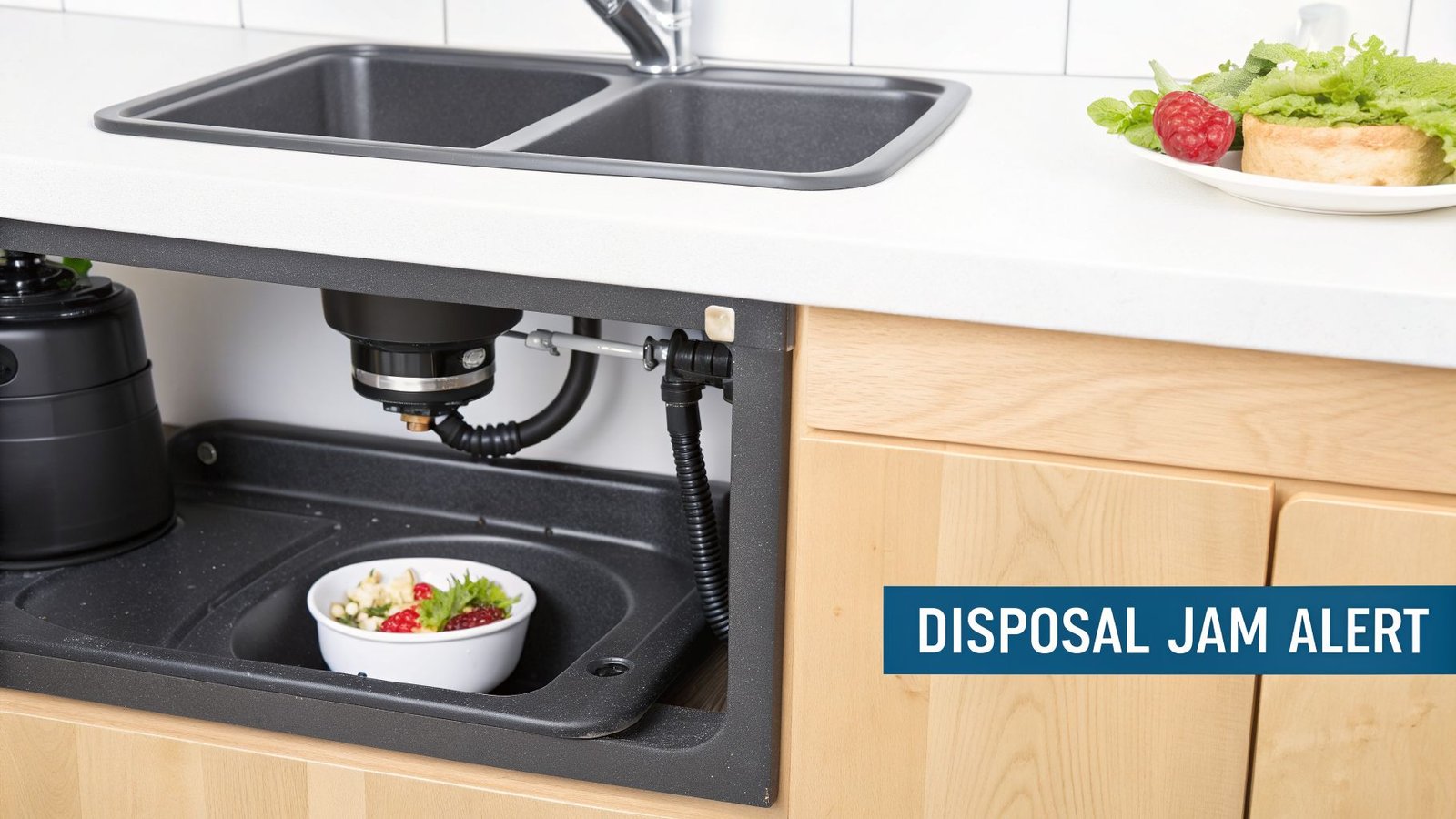
Warning Signs and Immediate Steps
Key warning signs include the unit failing to respond when you flip the switch, a distinct humming noise without any grinding action, or unusually loud, metallic grinding sounds. Other red flags are water leaking from the bottom of the disposal housing under the sink or persistent, sewage-like odours that don’t disappear after running water.
What to do now:
- Disconnect Power: Before any inspection, turn off the power to the disposal at the circuit breaker. This is a critical safety step.
- Check for Jams: If the unit hums but won’t turn, it’s likely jammed. Use the specific tool that came with the disposal (or an Allen key) to manually turn the motor from the bottom of the unit to free the jam. Never put your hand inside the disposal.
- Hit the Reset Button: Most disposals have a small red or black reset button on the bottom of the unit. After clearing a jam, press this button firmly to reset the motor.
- Flush Thoroughly: Periodically grinding a few ice cubes and citrus peels can help clean the grinding components and deodorize the chamber. Always run a strong flow of cold water during and after use.
Urgency Level: High. A non-functional or leaking disposal can bring kitchen cleanup to a halt and lead to plumbing backups or water damage under your sink.
Common Causes & When to Call a Professional
A simple jam or an overloaded motor can often be resolved by the user. However, many issues signal a deeper failure that requires professional attention. Persistent humming may indicate a seized motor that cannot be freed. Leaks from the main housing often mean internal seals have failed, requiring replacement of the entire unit.
You should call a professional if you cannot clear a jam, if the reset button doesn’t restore power, or if you see any signs of a water leak. Electrical faults and motor or seal replacements are not DIY jobs. For rental properties, a rapid response is essential to prevent system-wide backups.
For homeowners and property managers in Calgary, Edmonton, and Red Deer, Advance Appliance Ltd. provides same-day diagnostics and service for all major garbage disposal brands, including InSinkErator, KitchenAid, Whirlpool, and Moen, ensuring your kitchen is back in working order without delay.
Top 10 Appliance Repair Problems & Warning Signs
| Problem | Complexity 🔄 | Resources ⚡ | Expected outcome ⭐ | Use case / Impact 📊 | Key advantages / tips 💡 |
|---|---|---|---|---|---|
| Refrigerator Not Cooling or Running Continuously | High — sealed‑system and compressor diagnosis | High parts/certified tech; possible refrigerant service | Restored temperature; prevented food spoilage | Urgent; food‑safety critical, same‑day preferred | Clean coils, ensure airflow, monitor compressor runtime |
| Washing Machine Not Draining or Leaking Water | Medium — pump/hose/seal and plumbing checks | Moderate parts; quick plumbing coordination | Stops leaks, restores drainage, prevents mold | Urgent for water damage prevention; landlords high priority | Inspect hoses monthly; clean filters; document leaks |
| Dishwasher Not Cleaning or Draining Properly | Low–Medium — spray arm, filter, pump, scaling | Moderate parts; descaling may be needed | Improved cleaning and hygiene; less residue | Routine maintenance or quick fix; impacts kitchen cleanliness | Clean spray arms, monthly vinegar cycle, correct detergent |
| Dryer Not Heating or Taking Excessive Time to Dry | Medium — heating element, venting, safety components | Moderate–high; vent cleaning, gas tech for gas units | Faster drying, improved energy use, reduced fire risk | Safety‑critical (fire hazard); annual vent service recommended | Clean lint trap every load; annual professional vent cleaning |
| Refrigerator Ice Maker Not Producing Ice or Dispensing Water | Low–Medium — frozen lines, filter, inlet valve | Low–moderate; filters stocked, possible pressure test | Restored ice/water function and quality | Convenience issue; same‑day often possible | Replace filter every 6 months; avoid freezing supply lines |
| Oven or Cooktop Not Heating or Heating Unevenly | Medium — elements, igniter, thermostat, control board | Moderate–high; parts vary (elements cheaper, boards costlier) | Even heating and reliable cooking performance | Essential for cooking; timely repair improves results | Use oven thermometer, keep burners clean, factory tech for premium |
| Microwave Not Heating or Displaying Error Codes | High — high‑voltage components; safety risk | Low–moderate parts; requires certified in‑shop diagnostics | Either repaired safely or advised replacement | Quick diagnostic; often replacement for older units | Do not DIY; document error codes; test with a cup of water |
| Freezer Not Maintaining Temp or Frost Buildup | Medium–High — defrost system, thermostat, compressor | Moderate–high; defrost parts to compressor/refrigerant work | Stable freezing temps; reduced frost and food loss | Food‑safety urgent; same‑day diagnostics recommended | Manual defrost schedule, check door seals, monitor temps |
| Rangehood / Ventilation Not Removing Smoke or Odors | Low–Medium — filters, fan, ductwork | Variable; filters cheap, duct cleaning can be costly | Improved air quality and reduced kitchen grease | Improves indoor air quality; routine maintenance item | Replace/clean filters often; inspect ducts annually |
| Garbage Disposal Not Working, Jamming, or Odors | Low — jams, seals, motor checks | Low–moderate; may need plumbing coordination | Restored disposal function; eliminated odors | Quick repair prevents sink backups; routine upkeep | Run cold water, avoid fibrous/starchy foods, never reach inside |
Your Next Step for a Reliable and Safe Home
Throughout this guide, we've walked through the most common appliance repair problems and the warning signs you should not ignore. From a refrigerator that struggles to stay cold to a dryer that leaves clothes damp, these signals are your appliances' way of asking for attention. Understanding these symptoms is the first step toward protecting your investment and maintaining a safe, efficient home.
The key takeaway is that small issues, when ignored, rarely fix themselves. Instead, they tend to escalate, leading to more complex and expensive repairs, higher energy bills, or even complete appliance failure. A strange noise, an unusual odour, or a decline in performance should always be seen as a call to action.
Empowering Yourself Through Proactive Action
By familiarising yourself with these top appliance repair problems, you've moved from a reactive homeowner to a proactive manager of your home's most essential equipment. You now have the knowledge to:
- Identify specific warning signs before they become emergencies.
- Understand the potential causes and the seriousness of the issue.
- Perform basic, safe troubleshooting to rule out simple fixes.
- Recognise precisely when the problem requires a professional technician.
This knowledge is powerful. It allows you to intervene early, potentially preventing a small part replacement from turning into a major system overhaul. It also ensures the safety of your household by addressing electrical faults, water leaks, and gas issues before they can cause significant damage or pose a risk.
When to Trust the Experts at Advance Appliance Ltd.
While DIY troubleshooting is valuable for minor issues like a clogged filter or a tripped breaker, the majority of the problems we've discussed demand professional expertise. Modern appliances are complex machines. Attempting a repair without the right tools and training can void warranties, create new problems, or lead to dangerous situations involving electricity, gas, or sealed refrigerant systems.
This is where calling a qualified professional becomes the most cost-effective and safest decision. A timely diagnosis from a certified expert is crucial. For homeowners, landlords, and businesses in Edmonton, Calgary, and Red Deer, you need a service partner who understands the urgency and delivers reliable results. Your next step is not to worry, but to act decisively by contacting a trusted professional who can restore your appliance to perfect working order.
Are you noticing any of the warning signs discussed in this article? Don't wait for a complete breakdown. The licensed, Red Seal certified technicians at Advance Appliance Ltd offer same-day and next-day service for all major and premium brands, ensuring your home or business gets back to normal fast. Book your service with Advance Appliance Ltd online or call us for a transparent estimate and expert repair you can count on.