A failing Forno appliance can disrupt your entire kitchen routine, especially when you rely on its professional-grade performance. As certified technicians serving Edmonton, Calgary, and Red Deer, we understand the urgency and have the specialized expertise to diagnose and repair these high-performance units. This guide will help you understand common Forno appliance issues and the safest steps to take.
What the Problem Means
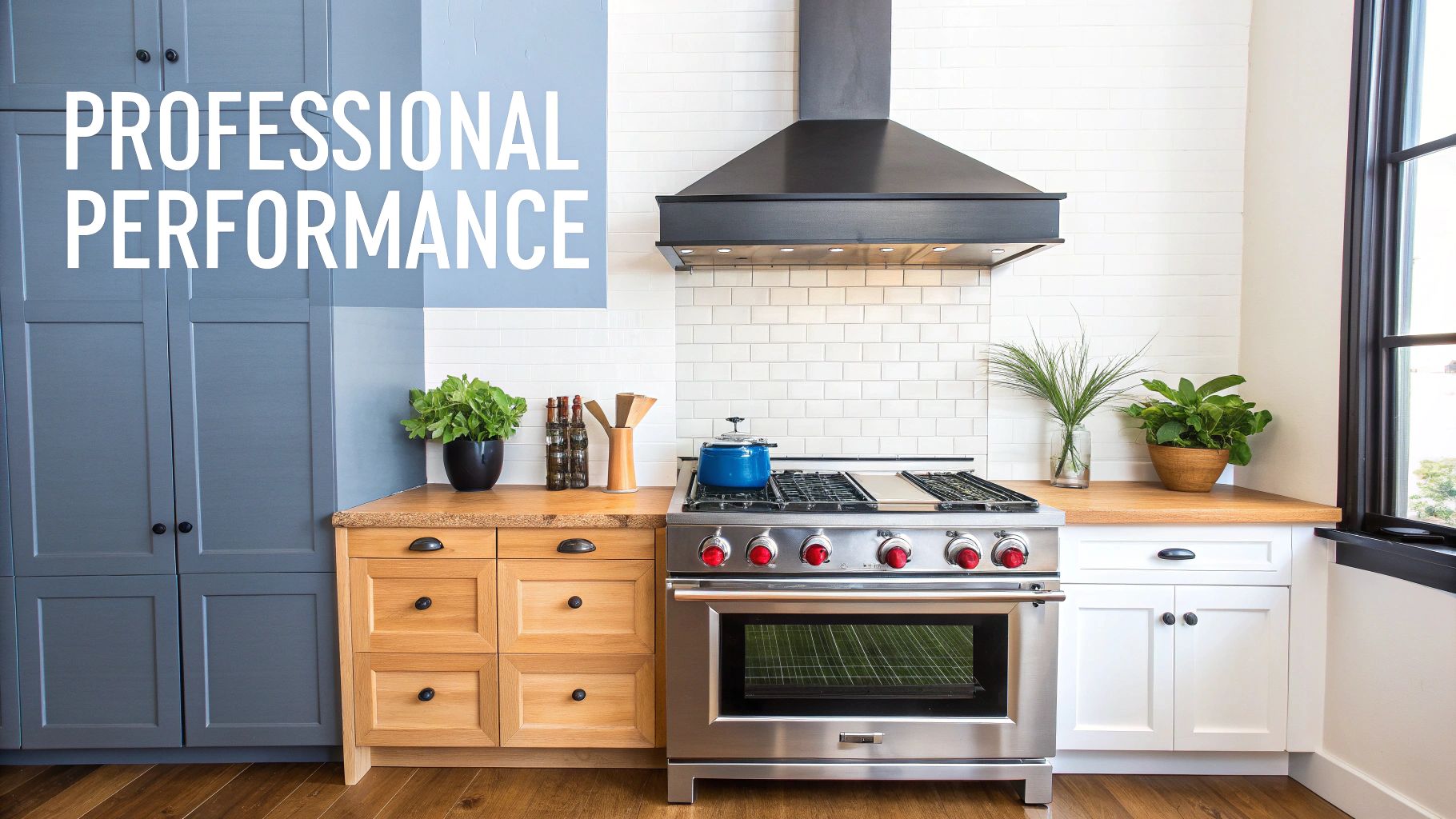
Forno appliances are known for their robust, commercial-style build, but like any machine, they can experience issues. Homeowners typically notice problems like inconsistent oven temperatures, burners failing to ignite, or a refrigerator that no longer cools effectively. These symptoms often point to underlying component failures that require professional diagnosis to prevent further damage and ensure a safe, lasting repair.
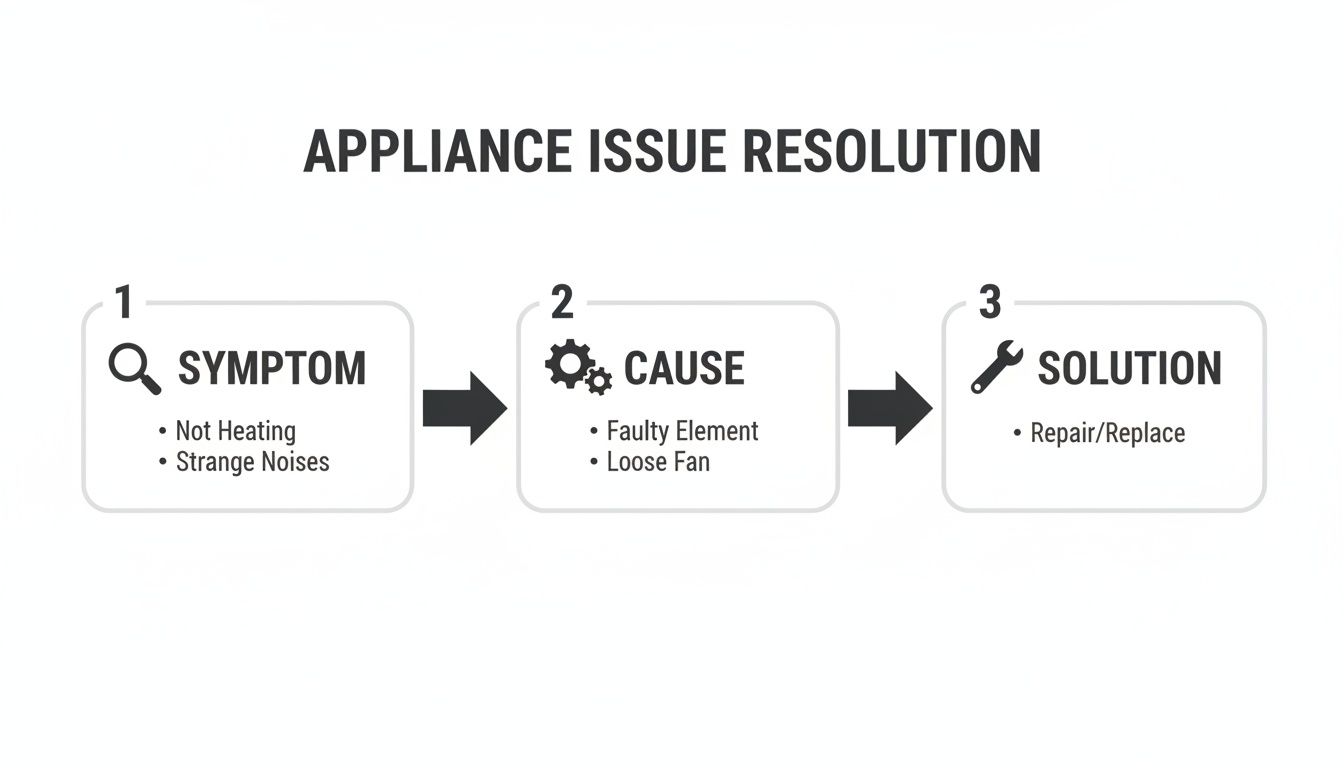
- Common Symptoms: Burners clicking but not lighting, oven temperatures being inaccurate, the refrigerator not maintaining a cold temperature, or strange noises during operation.
- Why It Happens: Issues can stem from clogged burner ports, faulty electronic components like igniters or sensors, worn-out door gaskets, or problems within the sealed cooling system.
- What It Means for You: A malfunctioning Forno appliance can affect meal preparation, lead to food spoilage, and pose potential safety risks if not addressed correctly by a qualified technician.
Common Causes of Forno Appliance Issues
| Cause | Description | Difficulty | Risk |
|---|---|---|---|
| Clogged Burner Ports | Food spills and grease block the small holes where gas exits, preventing proper flame and ignition. | Low | Low |
| Faulty Igniter | The spark element in a range or oven is worn out, cracked, or not receiving power, preventing ignition. | Medium | Medium |
| Failed Temperature Sensor | The sensor that reads the oven's internal temperature is malfunctioning, causing incorrect and inconsistent heating. | Medium | Low |
| Worn Door Gasket | The rubber seal around the oven or refrigerator door is cracked or loose, allowing heat or cold air to escape and reducing efficiency. | Low | Low |
| Faulty Compressor | The main component of the refrigerator's cooling system has failed mechanically or electrically, stopping all cooling. | High | High |
| Blocked Condenser Coils | Dust and pet hair have built up on the refrigerator's coils, preventing it from releasing heat properly and causing it to overwork. | Low | Low |
| Malfunctioning Control Board | The appliance's main electronic "brain" has failed, leading to a variety of erratic behaviors or a complete shutdown. | High | Medium |
| Defective Gas Valve | The valve controlling the flow of gas to the burners is stuck or has failed electronically, preventing operation. | High | High |
Troubleshooting Steps
Before scheduling a service call, there are a few safe steps you can take to potentially resolve minor issues.
Safety Warning: Your safety is paramount. Always unplug the appliance or turn off its dedicated circuit breaker before performing any checks. For gas appliances, shut off the gas supply valve immediately if you smell gas. Never attempt to repair gas lines or complex electrical components yourself.
- Check Power Supply: Ensure the appliance is plugged in securely. Check your home's electrical panel to see if the circuit breaker has tripped. If it has, reset it once. If it trips again, stop immediately and call a technician, as this indicates a serious electrical fault.
- Verify Gas Supply (Ranges/Ovens): For a gas range, confirm the gas valve behind the appliance is in the fully open position. If you smell gas at any time, leave the premises immediately and call your gas utility's emergency line from a safe location.
- Clean Burner Components: If a burner clicks but won't light, it may be clogged. Once the appliance is off and cool, remove the burner cap and use a paperclip to gently clear debris from the burner ports and around the igniter.
- Inspect Door Gaskets: Check the rubber seals on your oven or refrigerator door for any cracks, tears, or brittleness. A poor seal can cause significant temperature issues.
- Clean Condenser Coils (Refrigerators): Carefully pull the refrigerator away from the wall and unplug it. Use a vacuum with a brush attachment to gently clean dust and debris from the condenser coils at the back or bottom of the unit.
- Perform a System Reset: Unplug the appliance or turn off the breaker for five minutes. This allows the internal control board to reset, which can sometimes clear minor electronic glitches.
When to Stop: If these steps do not resolve the problem, it is time to call a professional. Continuing with DIY repairs on internal components like gas valves, compressors, or control boards is dangerous and can cause more extensive damage.
Repair Cost Breakdown
Please Call to get exact Rates:
Effective starting in 2026, service call fees are no longer waived. The service call fee covers the technician’s travel time, professional appliance diagnosis, and helps support ongoing operational expenses required to deliver reliable, high-quality service. We remain committed to keeping our fees fair, transparent, and aligned with reasonable repairability standards.
Here is an estimated breakdown of repair costs based on current Alberta regional pricing for this year:
- Estimated Service call / diagnostic: $120–$250 (not waived)
- Estimated Parts: $150–$650 (varies by brand and model)
- Estimated Labor: $150–$260 per hour
Additional travel or mileage charges may apply.
- GST is not included.
- Prices vary by Edmonton, Calgary, and Red Deer.
- Rates are subject to market and economic changes.
For more information, see our guide on the average appliance repair cost breakdown.
Failure Rate & Repair Cost Chart
In a chart comparing Forno appliance component failure rates and average repair costs, gray bars could represent last year's data, while light blue bars could represent the current year's data. This visual would typically show that electronic components, such as control boards and igniters, have a higher failure rate this year compared to last, with a corresponding increase in their average repair cost due to supply chain complexities. Conversely, mechanical parts like door gaskets and burner caps would likely show a more stable failure rate and a modest increase in repair cost, reflecting standard inflation.
Repair vs Replace
Deciding whether to repair or replace your Forno appliance requires careful consideration of cost, age, and long-term value. A key guideline is the 50% rule: if the estimated repair cost exceeds 50% of the price of a comparable new appliance, replacement is often the more financially sound choice.
Consider the appliance's age against its expected lifespan. Forno appliances are built to last, typically offering 15-20 years of service. If your appliance is under 10 years old and requires a straightforward fix, repair is usually the best option. However, if the appliance is approaching the end of its lifespan and facing a major, expensive repair, investing that money into a new unit with updated technology and a full warranty is a wiser long-term decision. Brand differences also play a role; premium brands like Forno often use higher-quality parts that make repairs a worthwhile investment even in older units.
Preventive Maintenance Tips
Proactive maintenance is the most effective way to extend the life of your Forno appliances and prevent costly breakdowns. Integrating these simple tasks into your routine can keep your kitchen running smoothly and safely.
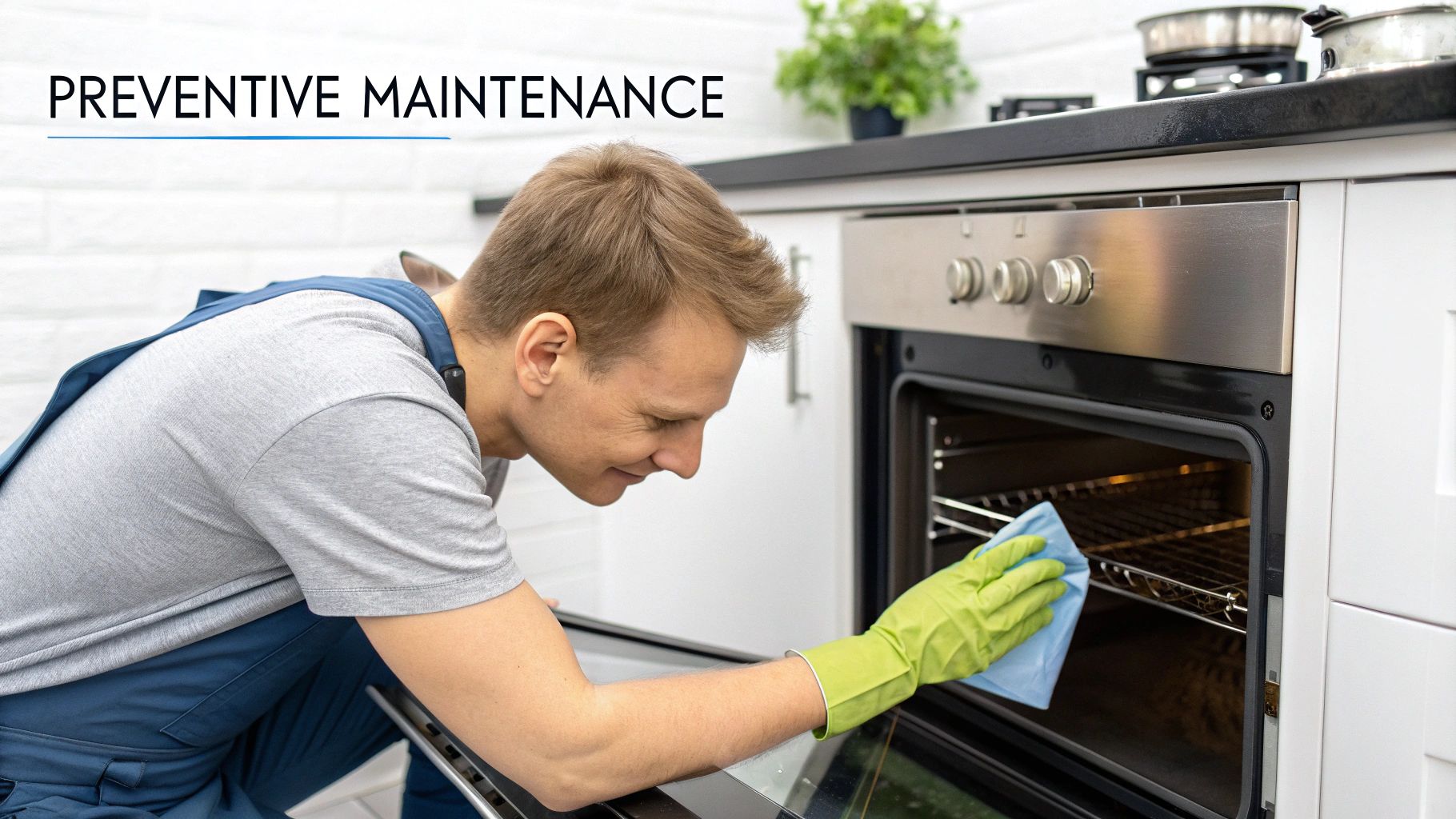
- Clean Oven Interior: Regularly wipe up spills and grease inside your oven to prevent buildup, which can cause odors and affect heating performance.
- Degrease Range Hood Filters: Clean the metal filters in your range hood every 1-3 months in warm, soapy water to maintain proper airflow and reduce fire risk.
- Inspect Door Gaskets: Periodically check the seals on your oven and refrigerator doors for cracks or gaps that could let air escape and reduce efficiency.
- Ensure Proper Ventilation: Make sure your refrigerator has several inches of clearance on all sides for air to circulate, preventing the compressor from overheating.
- Clean Burner Ports and Caps: On a gas range, regularly clean burner components to ensure a consistent flame and reliable ignition.
- Wipe Down Exterior Surfaces: Use a soft cloth and appropriate cleaner to keep stainless steel surfaces free of grime and protect the finish.
- Check for Leveling: Ensure your appliances are perfectly level to prevent doors from swinging open and to ensure proper operation of internal components.
- Don't Overload: Avoid overloading your refrigerator or dishwasher, as this can strain motors and impede proper cooling or cleaning.
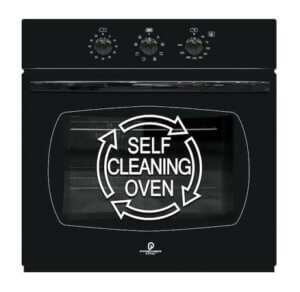
- Use Self-Clean Features Sparingly: The high heat of an oven's self-clean cycle can stress electronic components. Use it only when necessary.
- Schedule Annual Professional Inspection: A certified technician can identify and address potential issues with internal components before they become major failures.
Brand-Specific Notes
Amana
- Known Issues: Control board failures, issues with refrigerator defrost systems.
- Parts Availability: Generally good; shares many parts with Whirlpool.
- Repair Difficulty: Low to Medium.
Asko
- Known Issues: Drainage and pump issues in dishwashers, drum bearing failures in washing machines.
- Parts Availability: Can be limited and more expensive.
- Repair Difficulty: Medium to High.
Alliance Laundry
- Known Issues: Built for commercial use, so residential issues are rare but can involve belts and motors after heavy use.
- Parts Availability: Excellent, as they support commercial machines.
- Repair Difficulty: Medium.
Bosch
- Known Issues: Dishwasher drainage problems, control panel malfunctions.
- Parts Availability: Good, but can be pricey.
- Repair Difficulty: Medium.
Beko
- Known Issues: Refrigerator cooling issues, electronic control faults.
- Parts Availability: Improving, but can sometimes be delayed.
- Repair Difficulty: Medium.
Blomberg
- Known Issues: Similar to Beko; refrigeration and electronic issues are common.
- Parts Availability: Can be difficult to source quickly.
- Repair Difficulty: Medium.
Café
- Known Issues: Advanced electronics can be prone to glitches; issues with custom features.
- Parts Availability: Good, part of the GE family.
- Repair Difficulty: Medium to High.
Dacor
- Known Issues: Complex control board failures, oven temperature inconsistencies.
- Parts Availability: Generally good but expensive.
- Repair Difficulty: High.
Danby
- Known Issues: Thermostat issues in compact refrigerators, microwave touchpad failures.
- Parts Availability: Fair.
- Repair Difficulty: Low to Medium.
Electrolux
- Known Issues: Ice maker problems in refrigerators, control board issues.
- Parts Availability: Good.
- Repair Difficulty: Medium.
Fisher & Paykel
- Known Issues: DishDrawer dishwasher motor or lid actuator failures.
- Parts Availability: Can be delayed and expensive.
- Repair Difficulty: High.
Frigidaire
- Known Issues: Common refrigerator ice maker and water dispenser issues, oven igniter failure.
- Parts Availability: Excellent.
- Repair Difficulty: Low to Medium.
GE
- Known Issues: Wide range of issues, but refrigerator evaporator fan motors and washer transmission problems are notable.
- Parts Availability: Excellent.
- Repair Difficulty: Low to Medium.
Gaggenau
- Known Issues: Sophisticated electronics can be sensitive; issues with wall oven control panels.
- Parts Availability: Limited and very expensive.
- Repair Difficulty: High.
Haier
- Known Issues: Cooling problems in compact refrigerators, electronic faults.
- Parts Availability: Fair to poor.
- Repair Difficulty: Medium.
Hisense
- Known Issues: Refrigerator temperature regulation problems.
- Parts Availability: Can be difficult to find.
- Repair Difficulty: Medium.
IKEA
- Known Issues: Made by Whirlpool, so they share common issues like control board or drain pump failures.
- Parts Availability: Good, uses Whirlpool parts.
- Repair Difficulty: Low to Medium.
Insignia
- Known Issues: Common issues with refrigerator thermostats and freezer defrost systems.
- Parts Availability: Can be challenging to source.
- Repair Difficulty: Medium.
JennAir
- Known Issues: Downdraft vent system issues, complex electronic control failures.
- Parts Availability: Good (Whirlpool brand), but can be expensive.
- Repair Difficulty: Medium to High.
Kenmore
- Known Issues: Varies by manufacturer (Whirlpool, LG, etc.), but common issues include washer lid switch failures and dryer heating elements.
- Parts Availability: Generally very good.
- Repair Difficulty: Low to Medium.
KitchenAid
- Known Issues: Dishwasher leaks, refrigerator ice maker malfunctions.
- Parts Availability: Excellent.
- Repair Difficulty: Low to Medium.
LG
- Known Issues: Linear compressor failures in refrigerators, washing machine drain pump issues.
- Parts Availability: Good, but compressors have been a major issue.
- Repair Difficulty: Medium to High.
Liebherr
- Known Issues: High-end cooling system failures, sensitive electronics.
- Parts Availability: Limited and expensive.
- Repair Difficulty: High.
Magic Chef
- Known Issues: Microwave magnetron or turntable motor failures.
- Parts Availability: Fair.
- Repair Difficulty: Low.
Maytag
- Known Issues: Washer drain pump and belt issues, dryer thermal fuse failures.
- Parts Availability: Excellent.
- Repair Difficulty: Low to Medium.
Miele
- Known Issues: Dishwasher circulation pumps, washing machine electronics.
- Parts Availability: Limited to certified technicians and can be expensive.
- Repair Difficulty: High.
Monogram
- Known Issues: Refrigerator sealed system issues, advanced cooking feature malfunctions.
- Parts Availability: Good (GE brand), but premium pricing.
- Repair Difficulty: High.
Roper
- Known Issues: Basic, reliable appliances. Common issues are simple, like dryer thermal fuses or washer couplers.
- Parts Availability: Excellent (Whirlpool brand).
- Repair Difficulty: Low.
Samsung
- Known Issues: Refrigerator ice maker freezing over, washing machine drain pump clogs.
- Parts Availability: Good, but some electronic parts can be tricky.
- Repair Difficulty: Medium to High.
Speed Queen
- Known Issues: Extremely reliable, but may eventually need belt or motor work after many years.
- Parts Availability: Excellent.
- Repair Difficulty: Medium.
Sub-Zero
- Known Issues: Sealed system refrigerant leaks, door seal failures.
- Parts Availability: Limited and very expensive.
- Repair Difficulty: High.
Thermador
- Known Issues: Famous for "clicking" burner reignition issues, oven control panel failures.
- Parts Availability: Good (Bosch brand), but expensive.
- Repair Difficulty: High.
Thor
- Known Issues: Oven temperature calibration issues, igniter failures.
- Parts Availability: Fair.
- Repair Difficulty: Medium.
Viking
- Known Issues: Oven igniter and bake element failures, refrigerator compressor issues.
- Parts Availability: Can be difficult and expensive.
- Repair Difficulty: High.
Whirlpool
- Known Issues: A wide range of common issues, including washer lid switches and dryer heating elements.
- Parts Availability: Excellent and widely available.
- Repair Difficulty: Low to Medium.
Wolf
- Known Issues: Igniter issues on gas ranges, electronic control board failures in ovens.
- Parts Availability: Limited and very expensive.
- Repair Difficulty: High.
Note: Caloric, Bravos, Cabrio, Crosley, Frigidaire Gallery, Gibson, Goldstar, Hitachi, Kelvinator, Panasonic, Sharp, Tappan, Toshiba, and White-Westinghouse have been largely discontinued or absorbed by other brands, making parts and support increasingly difficult to find.
FAQs
Can I repair a gas Forno appliance myself?
No. For your safety, any work involving gas lines, valves, or regulators must be performed by a licensed and certified gas technician. Improper handling can lead to dangerous gas leaks, fires, or carbon monoxide exposure.
What is the typical lifespan of Forno appliances?
With proper care and maintenance, Forno appliances are built to last 15 to 20 years. Their robust, commercial-style construction contributes significantly to their longevity, making them a solid long-term investment.
How do I know if my Forno appliance is still under warranty?
Forno typically offers a two-year warranty on parts and labor. To confirm your coverage, locate your original purchase receipt or registration documents, as the warranty period begins on the date of purchase.
Why is my Forno oven not heating correctly?
Start by ensuring the appliance has power and the correct cooking mode is selected. If basic checks don't solve it, the issue is likely an internal component, such as a faulty igniter, bake element, or temperature sensor, which requires professional diagnosis.
Is it worth repairing an older Forno appliance?
Often, yes. Given their high initial cost and durable build, repairing a Forno appliance is frequently more cost-effective than replacing it, especially if it is under 15 years old and the repair cost is less than 50% of a new unit's price.
How can I find the model number on my Forno appliance?
The model and serial number are typically located on a sticker inside the refrigerator door, on the frame of the oven door, or on the back or side of the unit. This information is essential for ordering the correct parts.
Final Summary
Dealing with a malfunctioning Forno appliance requires a focus on safety and precision. While simple troubleshooting steps like checking power and cleaning components can resolve minor issues, most repairs demand professional expertise. Attempting complex repairs on gas or electrical systems is hazardous and can lead to more significant damage. The safest and most effective solution is to schedule a professional diagnosis with a certified technician who has experience with high-performance brands like Forno.
Reviewed by certified appliance technicians at Advance Appliance Ltd serving Alberta homeowners.
Book Your Forno Appliance Repair
Call: 587-882-3225
Book Online: https://advanceappliance.ca/scheduler/
Same-day or next-day appointments available. Certified technicians. Warranty on parts and labor.