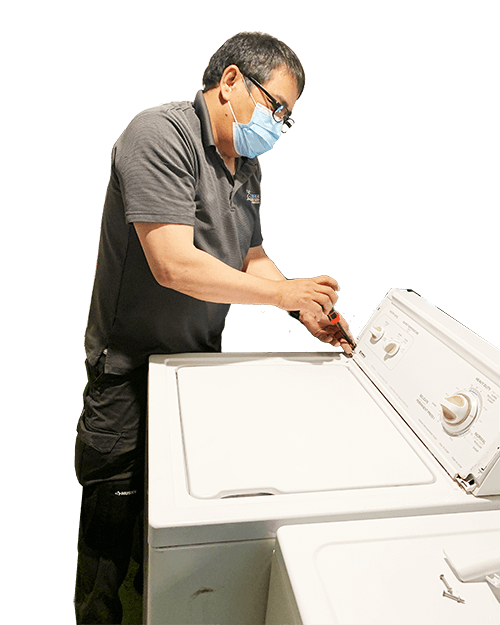
Having trouble with your washing machine? Here are the most common issues our technicians handle during a Washer Repair Service.
Often caused by incorrect cycle or temperature settings, an overloaded drum, a partially blocked filter, or using too little (or the wrong type of) detergent.
Common sources include worn door boot (front-loaders), loose or cracked hoses, a faulty drain pump, or a damaged tub seal.
Can indicate worn drum bearings, a failing motor, loose components, or an unbalanced load hitting the cabinet during spin.
May be related to a faulty door/lid switch, control board issues, drain problems, or power interruptions to the machine.
Usually a spin issue: failing motor, worn belt, blocked drain pump, or an unbalanced load preventing full spin speed.
Often caused by worn shock absorbers or suspension rods, damaged motor mounts, or the washer not being level on the floor.
Check power and breakers first. If power is good, the issue may be with the door lock, control board, user interface, or an internal fuse.
Can be due to a clogged pressure hose, faulty water level sensor, stuck water inlet valve, or control board not shutting the valve off.
A partially blocked drain pump, kinked/clogged drain hose, or too much detergent can leave clothes soapy and damp.
Can point to a worn drive belt, failed motor, stripped agitator dogs (top-loaders), or transmission/gearcase problems.
If you’re seeing any of these issues, it’s usually cheaper to repair early before damage spreads to other parts.
Book Your Washer Repair with Advance Appliance Ltd
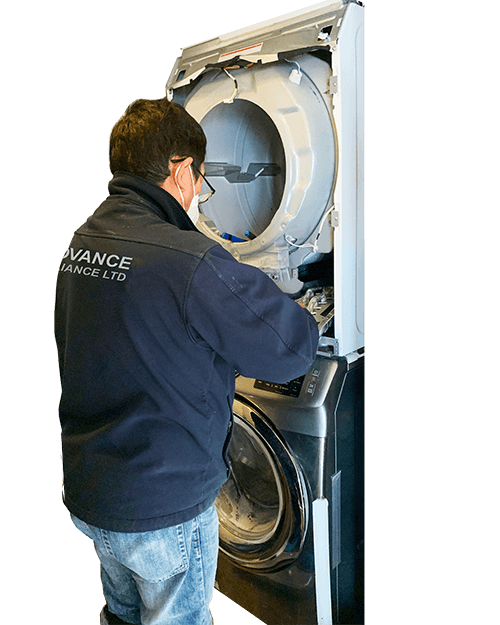
Here are the most frequent issues our certified technicians repair during a Dryer Repair Service.
Lint buildup in the vent, clogged lint trap, or crushed ducts reduce airflow and cause long drying times.
Often caused by a failed heating element, thermostat, cut-off fuse, or improper voltage supply.
Can be due to a tripped breaker, blown thermal fuse, faulty outlet, or internal electrical failure.
Door switch issues, broken start switch, user interface failure, or control board malfunction.
Usually a worn or broken belt, seized rollers, faulty motor, or damaged idler pulley.
Caused by blocked vents, defective cycling thermostat, or stuck heating element relay.
Worn drum rollers, blower wheel issues, loose panels, or misaligned leveling legs.
Vent blockage, clogged lint filter, weak heating, or a faulty moisture sensor prevents proper drying.
Lint near the heater, worn belt rubbing, or buildup on the heating element can cause smells.
Faulty cycling thermostat, defective timer, stuck relay, or moisture sensor failure.
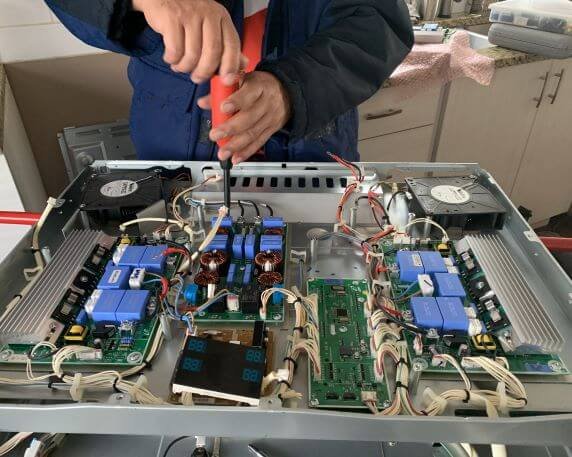
Gas, electric, or induction – here are the most common issues we see during a Cooktop Repair Service.
Blocked burner ports, dirty electrodes, faulty igniters or elements can all cause weak or inconsistent heat.
Common causes include bad ignition switches, loose wiring, failed spark modules, or faulty flame sensors.
Off-center burner caps, partially blocked ports, or damaged elements can create hot and cold spots in your pan.
Incorrect air–gas mix, misadjusted air shutters, or gas pressure issues can cause unstable or unsafe flames.
For electric or induction units, failed elements, surface boards, or sensors may stop burners from heating.
Tripped breakers, loose connections, damaged power cords, or internal control failures can shut the cooktop down.
Weak or dirty flame sensors, faulty thermocouples, or poor gas flow can cause burners to shut off shortly after ignition.
Spills, grease buildup, or blocked ports can cause smoke and odours – especially on gas burners.
Faulty temperature sensors, failing elements, or incorrect calibration can stop the cooktop from delivering full heat.
Spills, grease, or (on gas models) possible leaks or incomplete combustion—these should be inspected promptly for safety.
If you smell gas, see unstable flames, or breakers keep tripping, stop using the cooktop and book service.
Book Your Cooktop Repair Today
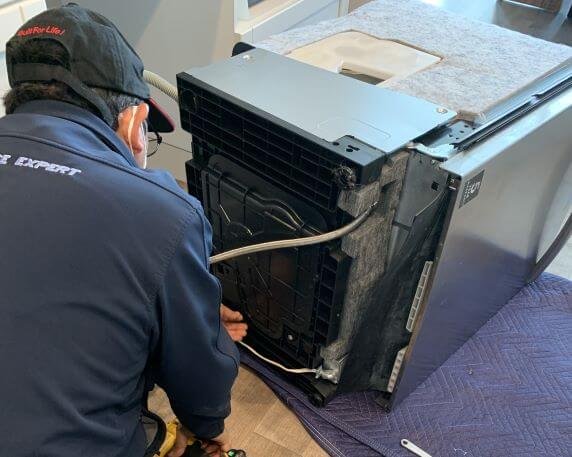
Here are the top issues our certified technicians fix during a Dishwasher Repair Service.
A weak, damaged, or misaligned latch prevents the dishwasher from starting or sealing properly.
Loose door seals, cracked hoses, damaged sump assembly, or failing water inlet valves are common leak causes.
Grinding, humming, or buzzing may indicate circulation pump wear, debris in impellers, or failing wash motors.
Blocked spray arms, dirty filters, weak water pressure, or faulty wash motors reduce cleaning performance.
Clogged drain hoses, blocked filters, jammed drain pumps, or check valve issues can leave water at the bottom.
Food debris, grease buildup, or slow drainage can cause odors—cleaning and proper maintenance resolve this.
Faulty inlet valves, clogged screens, low water pressure, or float switch issues prevent proper filling.
A failing heating element, faulty thermostat, or broken vent fan can lead to wet or cloudy dishes.
Worn seals, dirty filters, loose hoses, and unmaintained spray arms can cause performance problems over time.
Using too much detergent, or the wrong type, can clog the system and create excessive suds.
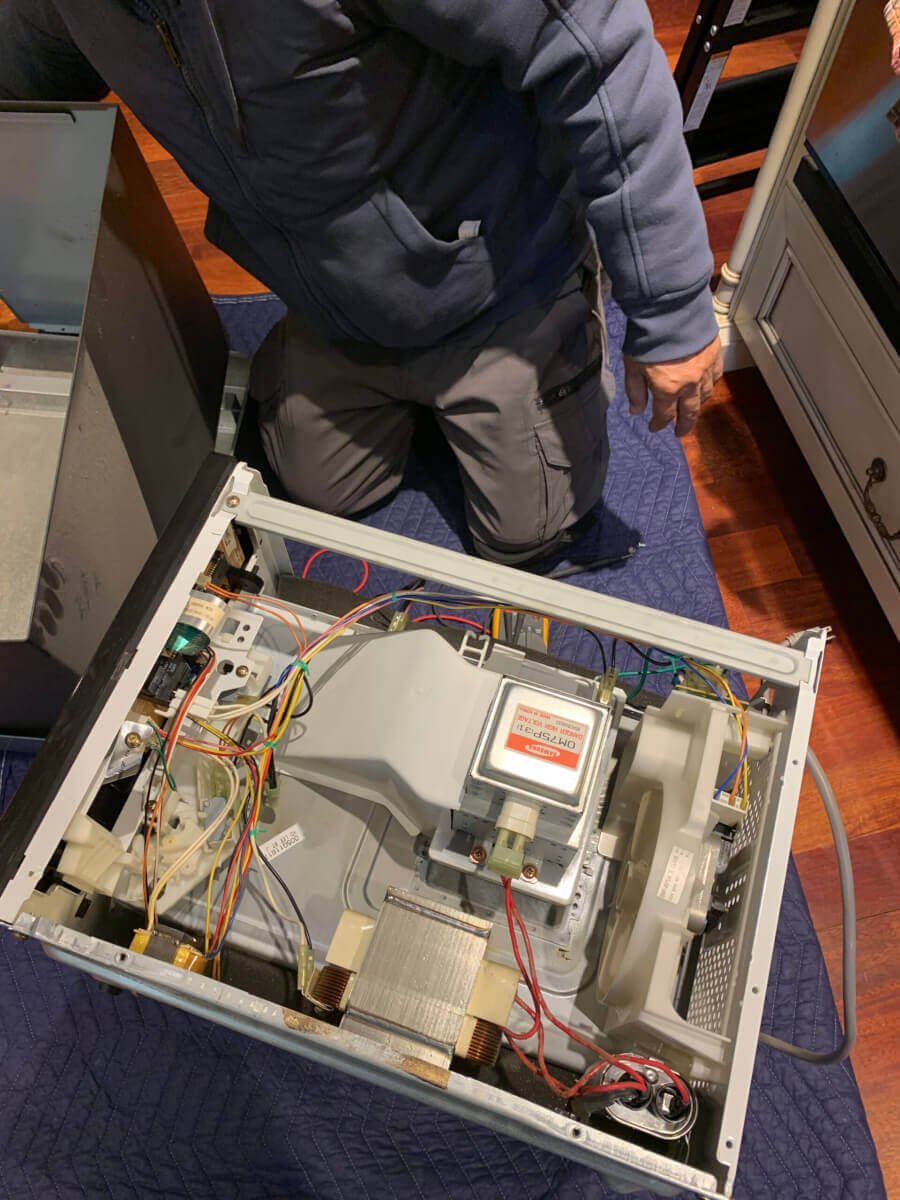
These are the most frequent issues our technicians solve during a Microwave Repair Service.
A broken or misaligned door switch stops the microwave from running for safety and usually needs replacement.
Power surges or internal shorts can blow fuses or trip breakers, leaving the microwave completely dead.
A weak outlet, loose plug, or unstable voltage can cause flickering displays, random shutoffs, or no operation.
If the magnetron fails, the unit may run but food will not heat properly.
A faulty touchpad or control board can cause wrong run times, random stopping, or unresponsive buttons.
Food splatter, metal objects, or damaged waveguide/cover can cause arcing—cleaning and inspection are important.
Defective thermostats or sensors may shut the unit down too soon or allow internal overheating.
Burned-out bulbs or wiring faults require safe disassembly and correct replacement.
Nearby devices or poor grounding can interfere with controls, displays, or Wi-Fi enabled models.
Blocked vents, tight cabinets, or grease buildup cause overheating and shorten component life.
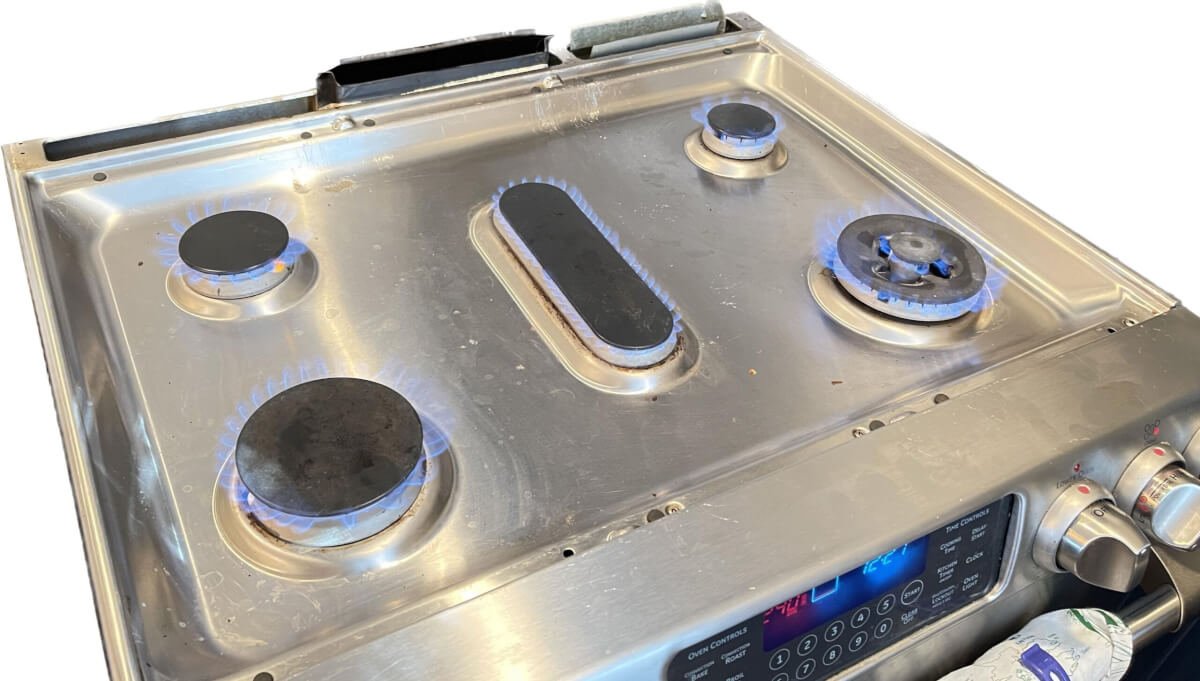
Here are the issues our certified technicians most often fix during a Stove Repair Service.
When the igniter is weak or dead, burners fail to light or take too long to ignite—replacement resolves the issue.
Grease, debris, or food spills block gas flow; cleaning the orifice restores even flame performance.
Gas supply issues, regulator failure, or valve restrictions require a trained gas-licensed technician.
Electric ranges may stop heating due to cracked or burnt-out elements—replacement restores performance.
A faulty thermostat causes inaccurate temperatures, uneven cooking, or overheating issues.
Electrical faults can prevent burners or the oven from heating and should be handled by professionals only.
Heavy grease inside the oven cavity affects temperature accuracy and can create smoke or fire hazards.
A weak seal lets heat escape, leading to long cook times and uneven baking—replacement is recommended.
Broken or inaccurate dials affect burner output; internal valve or switch replacement may be needed.
Error codes, dead displays, or unresponsive buttons often point to a failing control board—diagnosis is required before ordering parts.
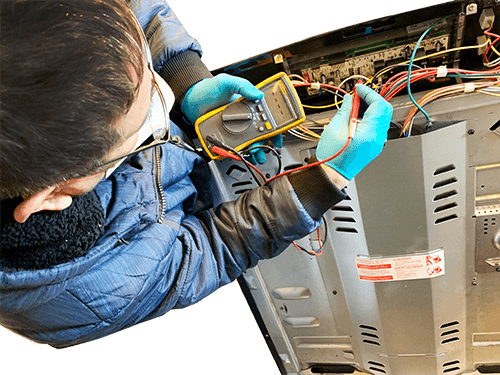
From gas safety issues to temperature problems, here are the most common faults we see during an Oven Repair Service.
Heavy grease and carbon buildup can affect performance and create smoke. Technicians focus on repair; for heavy cleaning, follow the manufacturer’s instructions or use a professional cleaning service.
A misaligned door, worn hinges, or damaged gasket lets heat escape, causing long cook times and uneven baking.
If you smell gas, shut the oven off, ventilate the area, and contact a gas-licensed professional immediately—do not attempt DIY repairs.
Bake or broil elements that are cracked, blistered, or open-circuit will prevent the oven from heating or browning correctly.
Faulty sensors, damaged elements, or miscalibrated thermostats cause slow preheat, temperature swings, and inconsistent baking results.
Broken clocks, timers, or control panels can affect delayed start, timed baking, and shutoff functions.
Burned connectors or loose wires can cause intermittent heating or complete power failure and should be handled by a professional.
Weak igniters, stuck gas valves, or faulty switches can prevent the oven from lighting or maintaining flame in gas ranges.
Faulty broil elements, gas valves, or control faults lead to poor browning or no broil function at all.
Warped racks, worn supports, or damaged guides can make it difficult to position pans safely and evenly inside the oven.
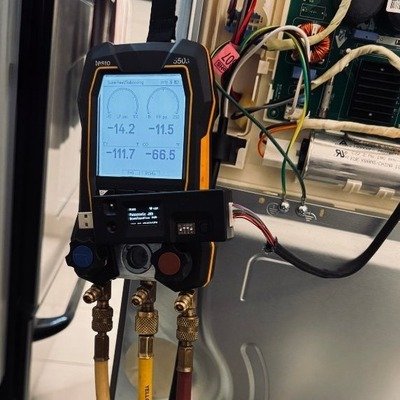
These are the most frequent issues our technicians diagnose during a Refrigerator Repair Service.
Dusty or greasy coils cause overheating and poor cooling—cleaning every 6–12 months improves efficiency.
Food packages or ice buildup blocking vents disrupt airflow and lead to warm fridge temperatures.
Misadjusted or faulty thermostats can cause freezing, warming, or inconsistent cooling.
Overpacked freezers restrict airflow and cause both freezer and refrigerator sections to warm up.
Cracked, loose, or warped gaskets allow cold air to escape, forcing the fridge to work harder and cool poorly.
Frozen or clogged drains cause water leaks, ice sheets, and restricted airflow inside the refrigerator.
Weak or dead fans prevent proper air circulation, causing warm spots and inconsistent cooling.
A weak motor or failing compressor leads to long run times, poor cooling, or complete no-cool situations.
Excess frost blocks airflow and reduces cooling performance—often caused by sensor, heater, or drain issues.
A failing compressor prevents the fridge from cooling at all—requires professional diagnosis before replacement.
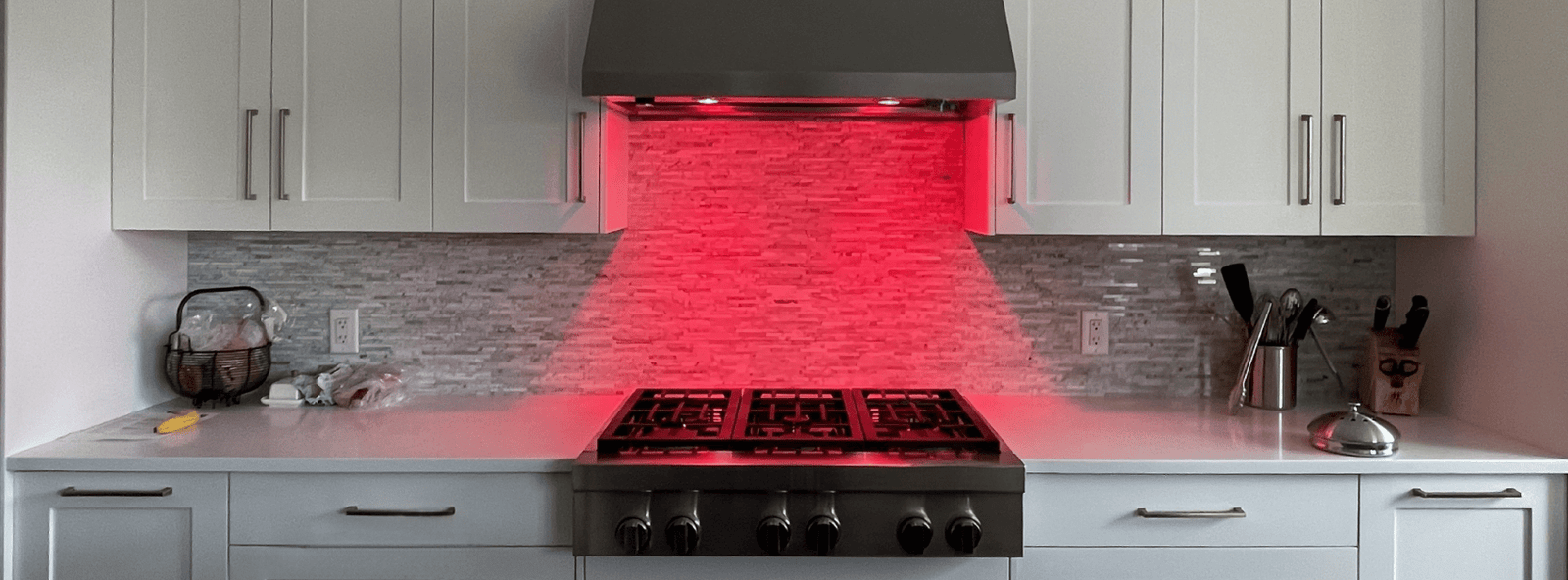
These are the most frequent issues we diagnose during a Range Hood Repair Service.
Dirty filters reduce airflow and cause strong cooking odors—cleaning or replacing restores performance.
Obstructions, failing motors, or loose connections can prevent the blower from reaching full speed.
Indoor or outdoor vent blockages restrict airflow, causing smoke buildup and poor ventilation.
Burned bulbs, faulty wiring, or damaged sockets can lead to lighting failure under the hood.
Unbalanced blowers, worn bearings, or loose screws often cause grinding, humming, or rattling sounds.
Poor ventilation or clogged filters cause excess grease to escape—clean surfaces and restore airflow.
Poorly sealed ducts leak air, reduce suction, and create excess noise—tightening and sealing resolves it.
Obstructions, slipping fan wheels, or a damaged blower assembly can prevent blade rotation.
Vibrations can loosen internal hardware—tightening ensures safe, quiet operation.
Broken hinges, stuck dampers, or poor lubrication prevent proper airflow control—repairs restore full function.

Our Appliance Repair team regularly diagnoses and fixes these issues during an Ice Maker Repair Service.
Weak water supply, restricted valves, or faulty filter heads reduce fill levels and slow ice production.
Mineral deposits, debris, or old filters can partially block the line—filters should typically be replaced every 6 months.
Incorrect fill levels may be due to faulty water valve control or internal adjustments—best verified by a technician before parts are replaced.
Incorrect settings, bad sensors, or sealed system issues affect cube size and production speed and should be professionally checked.
A stuck arm or faulty level sensor may not stop production, causing jams or overflowing bins.
Worn gears, broken couplers, or failed motors prevent the ejector from turning—diagnosis by a technician is recommended before parts replacement.
Drips behind or under the fridge may come from loose fittings, cracked lines, or faulty valves and should be professionally inspected.
Blocked drains can cause water to pool around the ice maker area or freeze into sheets—underlying causes should be confirmed before repairs.
Insufficient defrost, warm air leaks, or airflow issues can cause heavy frost, affecting both ice quality and production.
Faulty boards or sensors can cause random stops, no production, or incorrect temperatures—these should be tested by a professional before ordering parts.